

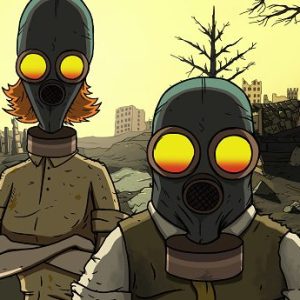
Similiar games
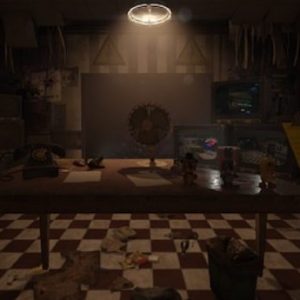



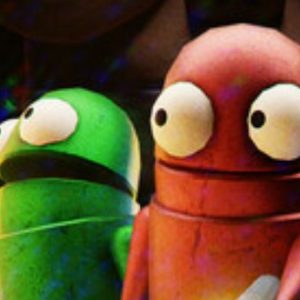

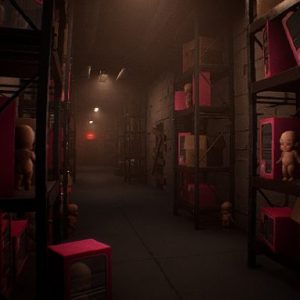






60 Seconds Reatomized places the player in a short decision window that determines the rest of the session. The game begins with a limited time to move through a house, collect items, and choose which family members will enter the shelter. Every second spent changes the available options later. The initial phase focuses on prioritization rather than reflexes, since each object has a specific function that may or may not become relevant during survival.
Survival Structure And Time Management
After entering the shelter, the gameplay shifts to a turn-based structure measured in days. Each day presents a short report describing the current situation, followed by decisions that affect resources, health, and morale. Food, water, and tools are tracked numerically, and the player must decide when to ration or risk shortages. There is no fixed optimal path, since random events alter outcomes even when similar choices are made.
Events, Choices, And Consequences
Progress depends on responding to events that appear during the daily reports. Some events request the use of specific items, while others force a choice with unclear results. These situations are not resolved immediately and may influence future days in indirect ways. Because of this, earlier actions can change later options without direct feedback, encouraging attention to long-term planning rather than short-term results.
- assigning family members to expeditions
- managing food and water distribution
- deciding whether to respond to outside signals
- handling illness and injury
- preserving or sacrificing equipment
Exploration And External Interaction
Sending characters outside the shelter introduces another layer of uncertainty. Expeditions may return with supplies, information, or nothing at all. A character can also fail to return, which permanently affects the remaining group. External contacts, such as strangers or organizations, appear through text events and may offer assistance or introduce new risks depending on prior decisions.
In later stages, the game focuses on stability rather than accumulation. The goal shifts toward maintaining a functional routine until a resolution condition is met. Endings vary based on survival length, family status, and interaction outcomes, but they follow consistent logical rules. This structure allows repeated playthroughs to differ in sequence while remaining grounded in the same underlying system.
