


Similiar games



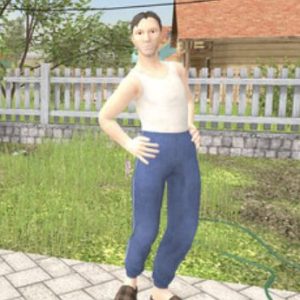

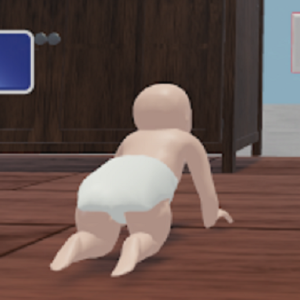
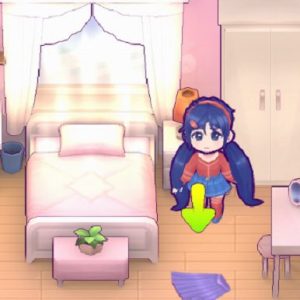
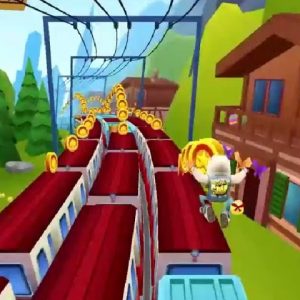
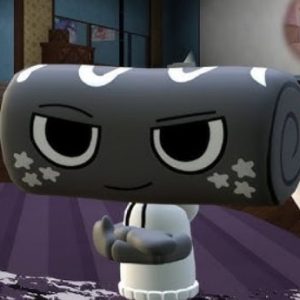








Lovecraft Locker 2 is an independent game that expands on the concept introduced in the original release by presenting a short-form interactive experience built around timing, positioning, and environmental interaction. The game is structured around a limited number of locations and repeatable scenarios, where the player observes movement patterns and reacts according to predefined rules. Rather than focusing on narrative depth, the title emphasizes mechanical execution and player awareness within confined spaces.
Gameplay Structure And Interaction
The core gameplay of Lovecraft Locker 2 is based on observation and reaction. The player controls an entity hidden within the environment and must interact at precise moments to trigger events. Movement is limited, and success depends on recognizing patterns and responding at the correct time. The game uses a fixed perspective, which keeps the focus on timing rather than exploration. Sessions are short, and most scenarios can be completed in a few minutes, encouraging repetition and memorization.
Core Mechanics And Systems
Several gameplay systems define how Lovecraft Locker 2 functions:
· Pattern-based interaction tied to character movement
· Timing-sensitive input windows
· Fixed environments with limited player control
· Gradual increase in difficulty through speed changes
· Simple restart system after failed attempts
These elements create a loop where players learn through trial and error, improving performance by understanding movement cycles rather than through progression systems.
Design Approach And Presentation
Lovecraft Locker 2 uses a minimal interface and limited visual complexity. The game does not rely on dialogue, tutorials, or extensive menus. Instead, mechanics are introduced through repetition and visual cues. The presentation is intentionally simple, keeping attention on player input and response timing. Audio is used sparingly, mostly to signal success or failure, reinforcing the rhythm-based nature of the gameplay.
The design favors short sessions, making the game suitable for brief interactions rather than extended play. This structure also allows players to quickly retry scenarios and refine their approach without interruption.
