


Similiar games





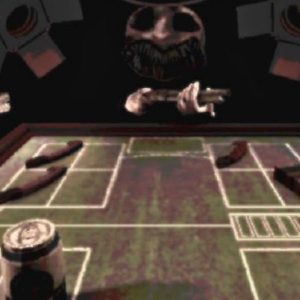
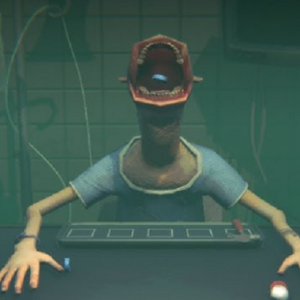



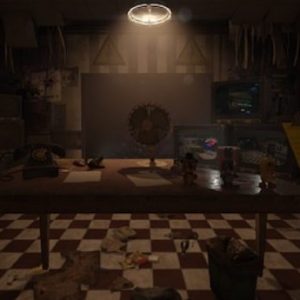

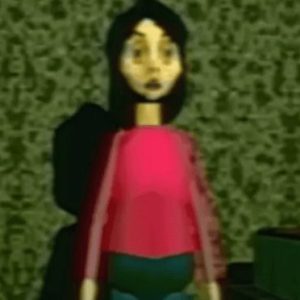



FNAF In Real Time is a fan-made interpretation of the original Five Nights at Freddy’s concept, designed to simulate the events of a full night in continuous, uninterrupted time. Unlike the original game, which divides gameplay into short in-game hours, this version removes time skips and forces the player to manage systems without breaks. The experience focuses on sustained attention, where every action must be timed carefully over a longer session. The goal remains survival, but the structure changes how pressure and pacing are perceived.
Real-Time Gameplay Structure
The defining feature of FNAF In Real Time is its continuous flow. Instead of progressing through time segments, the player experiences the entire shift as one ongoing sequence. This means that camera usage, door control, and resource management must be handled without pauses or resets. The absence of time jumps increases tension, as mistakes accumulate rather than resetting each hour. Players must stay alert for extended periods, making decision-making more demanding than in the original format.
Core Systems And Mechanics
Several gameplay systems shape how FNAF In Real Time operates:
· Continuous time progression without checkpoints
· Limited resources that do not refresh automatically
· Real-time camera monitoring
· Enemy movement based on elapsed time
· Increased reliance on player attention and timing
These elements combine to create a structure where planning ahead becomes more important than reacting at the last moment. The game rewards consistency and awareness rather than fast reflexes alone.
Pressure And Player Adaptation
Because the game runs without interruptions, players must adapt to a slower but more intense rhythm. Actions such as checking cameras or closing doors require careful timing, as overuse can drain resources too quickly. The longer the session continues, the more difficult it becomes to maintain focus, especially as threats increase in frequency. This design forces players to learn patterns and manage stress rather than rely on memorization.
The extended format also changes how fear is experienced. Instead of short bursts of tension, the game creates sustained pressure that builds gradually. Every sound or movement becomes more noticeable when the player knows there is no pause ahead.
Differences From Traditional FNAF
FNAF In Real Time differs from standard entries by removing structured pacing and replacing it with continuous gameplay. There are no clear milestones or hour markers to signal progress. This design choice makes survival feel more uncertain, as players cannot easily judge how close they are to success. The game also encourages longer play sessions, which adds to the challenge.
Another difference is the way failure feels. Losing after a long session carries more weight, since the player must restart from the beginning rather than from a checkpoint. This reinforces the importance of steady decision-making throughout the experience.
