

Similiar games
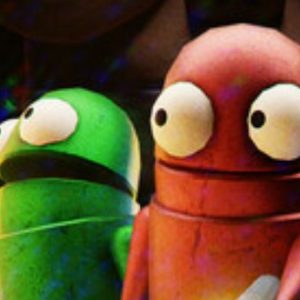




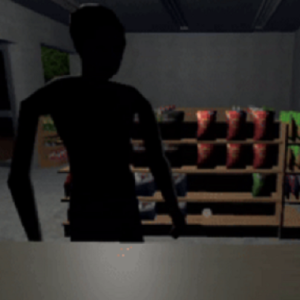
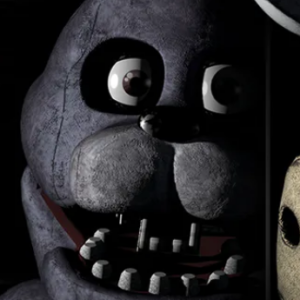
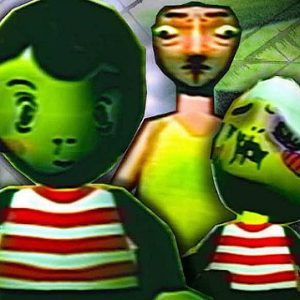


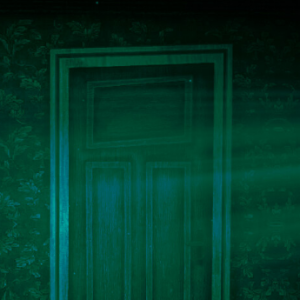
No, I’m Not A Human is a narrative-driven horror game focused on observation, decision-making, and risk assessment. The player takes the role of a person living in a world where daylight has become dangerous and survival depends on staying indoors. Each night, unknown individuals appear at the door asking for shelter. Some of them are humans, while others are hostile entities that imitate human behavior. The player must decide who to allow inside without having complete certainty. The game does not rely on combat but instead builds tension through limited information and irreversible choices.
Structure Of Gameplay
The game is divided into repeating day and night cycles. During the night, visitors arrive and request entry. The player must choose whether to open the door or refuse them. Once someone is allowed inside, they remain in the house and become part of the group. During the day, the player can interact with those inside, observe their behavior, and gather clues that may help identify threats. Time and energy are limited, so each action must be chosen carefully. The cycle continues until the player reaches one of several possible outcomes.
Core Systems And Interaction
The gameplay is centered around a small number of systems that shape every decision:
· Allowing or denying entry to visitors
· Observing physical and behavioral traits
· Managing limited daily actions
· Interpreting clues that may be misleading
· Facing permanent consequences for mistakes
These systems are designed to force the player to rely on logic rather than certainty. There is no guaranteed method to identify danger, which creates constant pressure to choose based on incomplete information.
Narrative Delivery And Atmosphere
The story in No, I’m Not A Human unfolds gradually through dialogue, environmental details, and repeated encounters. There are no long explanations or direct instructions. Instead, the player learns about the world through patterns, rumors, and outcomes of previous decisions. Some visitors provide information that may or may not be reliable. The game avoids clear moral guidance, leaving the player responsible for the results of their actions. This structure encourages careful attention to small details across multiple play sessions.
Replayability is built into the design of the game. Characters appear in different combinations, and outcomes depend heavily on who is allowed to stay. Because the rules are not fully predictable, each playthrough presents new situations. The player can experiment with different approaches, such as being cautious or taking risks, to see how the story changes. The absence of a fixed solution encourages repeated attempts and reinforces the theme of uncertainty that defines the game’s core experience.
