

Similiar games
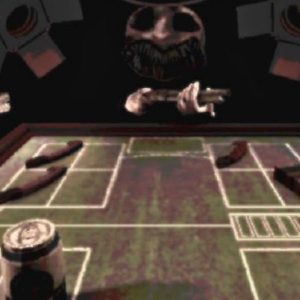

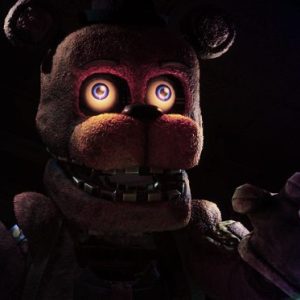
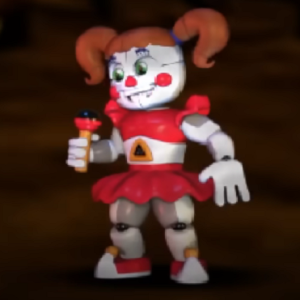
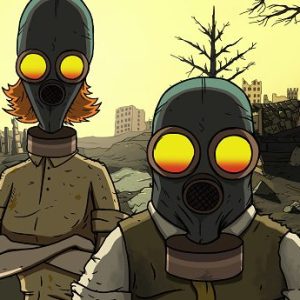

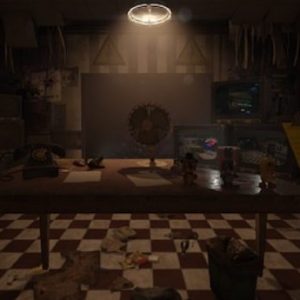
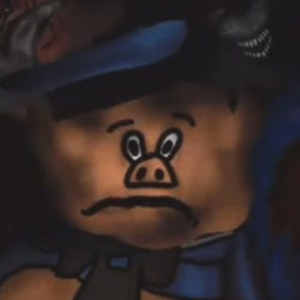

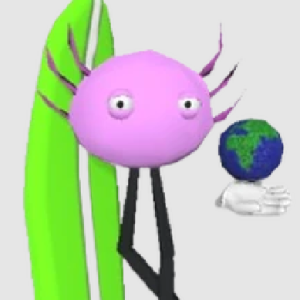
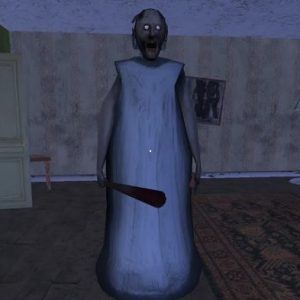
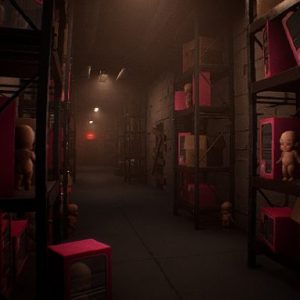


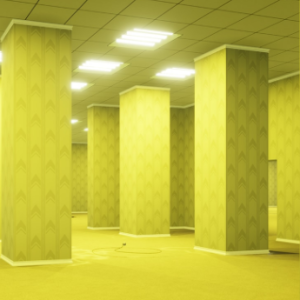
Five Nights in Anime is a fan-made game inspired by the mechanics of survival horror titles where the player monitors rooms and reacts to character movement. The core idea follows a night-shift format in which the player must survive a fixed amount of time using limited tools. The gameplay is based on observation, timing, and resource control rather than direct interaction. The project gained attention mostly due to its unconventional theme and its connection to a well-known horror franchise structure, even though it is not an official release.
Gameplay Structure and Core Mechanics
The player remains in a static location and uses cameras, doors, and light systems to track characters that move between rooms. Each action consumes limited power, which forces the player to make decisions about when to observe and when to wait. The goal is to survive until the end of the night without allowing any character to reach the player’s position. The difficulty increases gradually as the behavior patterns become less predictable and reaction windows become shorter.
Visual Style and Presentation
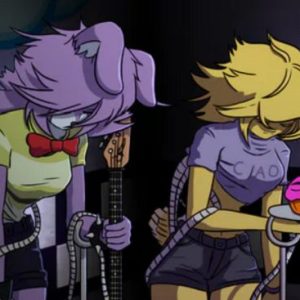
The game uses a stylized anime-inspired visual approach that contrasts with the traditional horror tone of similar titles. Character designs follow a simplified animation style, while environments remain minimal and functional. Sound design plays a supporting role by signaling movement or actions rather than creating atmosphere. The interface is kept simple so the player can focus on monitoring cameras and managing power usage without unnecessary distractions.
Key Gameplay Elements
- Camera-based surveillance system
- Limited energy resource shared across actions
- Fixed-location gameplay with timed survival goals
- Character movement triggered by internal timers
- Increasing difficulty across consecutive nights
These elements form the core loop and are consistent throughout the game. The player’s success depends on pattern recognition and efficient use of available tools rather than reflex-based input.
Five Nights in Anime gained popularity mainly through online communities, video platforms, and forums that focus on indie and fan-created games. It is typically distributed through unofficial platforms rather than commercial stores. The project is often discussed in the context of parody, mod culture, and experimental fan content, rather than as a standalone commercial title.
Overall Role Within Fan Game Culture
The game represents a specific trend within fan development where existing gameplay formulas are reinterpreted with alternative themes. It demonstrates how recognizable mechanics can be reused to create a different type of player experience without changing the underlying structure. While it does not aim for innovation in gameplay systems, it remains an example of how fan projects can gain attention through niche appeal and community sharing rather than traditional marketing.
