


Similiar games
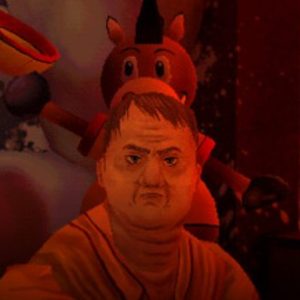


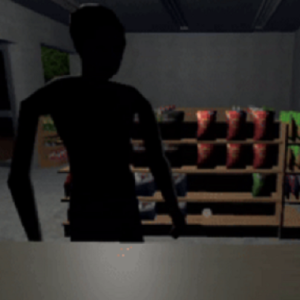



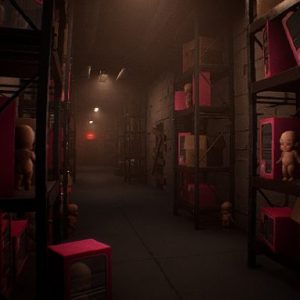
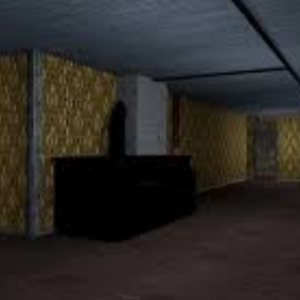
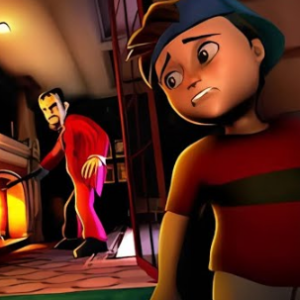
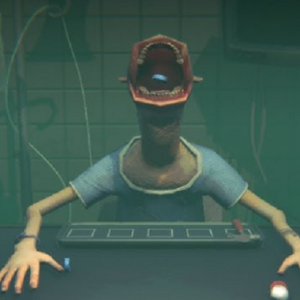
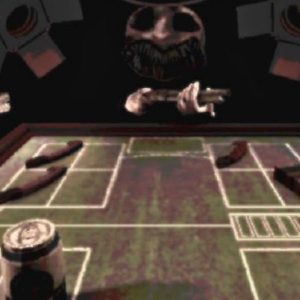

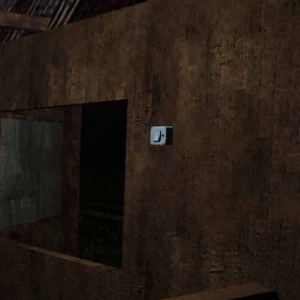
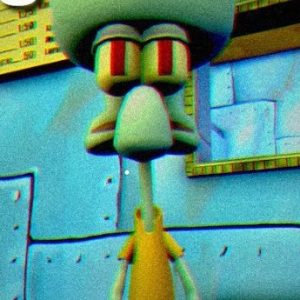
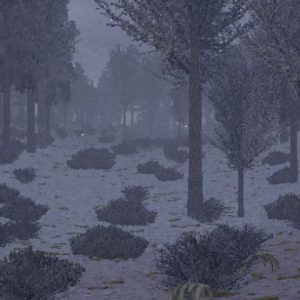
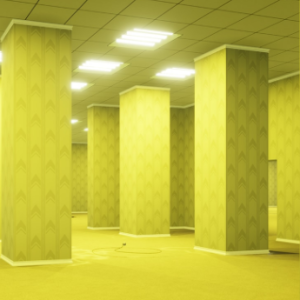
Chaves Nightmares is a night-based horror survival game where the player must endure a sequence of increasingly difficult nights inside a restricted location. The game transforms familiar characters and settings into sources of danger, shifting the focus from recognition to survival. Instead of active exploration, the player remains in a fixed position and must manage threats through observation and correct timing. The experience relies on learning patterns and reacting under pressure rather than direct confrontation.
Night Progression And Player Objective
Each session is divided into clearly defined nights, and the objective is always the same: stay alive until morning. At the start, nights are slow and predictable, allowing the player to learn basic mechanics. As time passes, enemy activity increases and reactions must become faster. The game uses time as a pressure tool, forcing players to maintain focus for the entire duration of each night. Small mistakes early on can have delayed consequences later in the shift.
Control Systems And Attention Management
Interaction in Chaves Nightmares is limited to a set of monitoring and defensive systems. The player must constantly switch attention between different points, tracking where threats might appear next. There is no single correct rhythm, as enemy behavior can overlap and interrupt expected patterns. In the middle of a typical night, players repeatedly focus on several essential tasks:
- monitoring multiple locations for movement
- identifying audio or visual warning cues
- deciding when to activate defensive systems
- managing limited resources or power
- prioritizing which threat requires attention
These tasks must be balanced carefully, as focusing too much on one area can leave another exposed.
Enemy Behavior And Learning Curve
Each enemy follows specific rules that define how and when it becomes dangerous. Some advance slowly and punish neglect, while others act suddenly and require immediate response. As nights progress, these behaviors begin to overlap, increasing difficulty without changing the core mechanics. The game rewards players who remember patterns and adjust their strategy instead of reacting randomly. Learning from failure is a central part of progression.
The atmosphere in Chaves Nightmares is built through darkness, sound cues, and limited information. Silence often creates more tension than action, as the player waits for signs of movement. Because the environment remains mostly unchanged, stress comes from anticipation rather than surprise. The confined perspective keeps the player locked into the experience with little room to recover from mistakes.
