


Similiar games








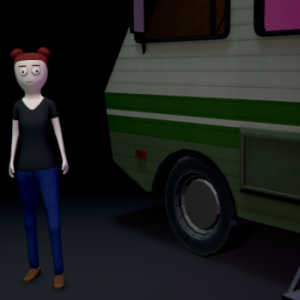

Dispatch is a narrative-driven management game that places the player behind a desk rather than on the battlefield. Instead of controlling a hero directly, the player takes on the role of a dispatcher responsible for coordinating superhero activity across a city. The game focuses on decision-making, communication, and organization rather than action gameplay. Progress is shaped by how effectively the player handles conversations, assignments, and evolving relationships within the team.
Role Of The Dispatcher
The main character in Dispatch is a former hero who now works in an operations center after losing the ability to fight in the field. From this position, the player receives incoming reports, evaluates situations, and determines which heroes should respond. Each hero has specific abilities, limitations, and personal traits that influence their performance. The player must balance efficiency with character dynamics, as repeated decisions affect morale and long-term outcomes.
Gameplay Systems And Interaction
The structure of the game is built around several interconnected systems that guide progression:
· Assigning heroes to incidents based on their skills
· Managing dialogue choices that affect relationships
· Monitoring mission cooldowns and availability
· Responding to unexpected events during operations
· Making decisions that influence future story paths
These systems work together to create a gameplay loop focused on planning and consequence rather than reflexes or combat.
Decision-Making And Strategic Depth
Each mission in Dispatch presents multiple possible solutions, and the player’s role is to determine the most appropriate response. Some situations require quick decisions, while others allow time for analysis. Choosing the wrong hero or responding poorly in conversation can lead to failed missions or damaged relationships. Over time, the player learns how different characters react under pressure and how to deploy them effectively.
The game places strong emphasis on choice-driven outcomes. Conversations often have lasting effects, altering character behavior and unlocking or closing narrative paths. This encourages players to think carefully before making decisions, as even minor choices can shape future events.
