

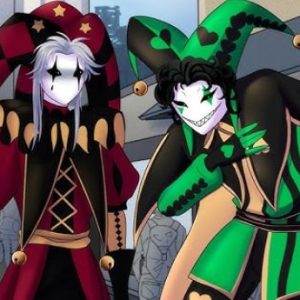
Similiar games
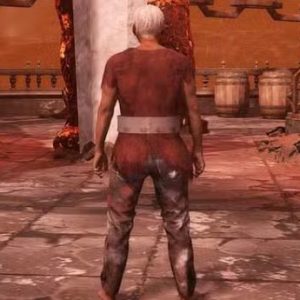
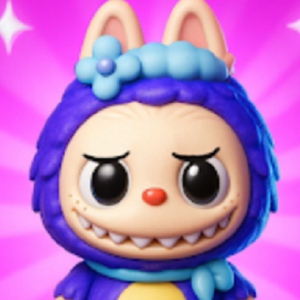
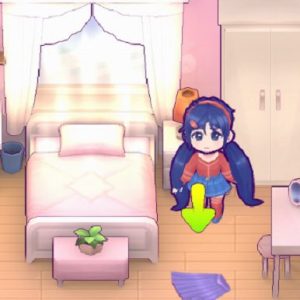







The Freak Circus is a visual novel focused on narrative choice and character interaction. The player takes the role of an ordinary person whose routine changes after encountering a traveling circus that arrives unexpectedly. From the beginning, the game places emphasis on dialogue and observation rather than action. Progress depends on how the player responds to conversations and situations, making every decision important for how the story unfolds. The atmosphere is built through slow pacing and character-driven scenes, allowing the player to gradually understand the world and the people within it.
Story Progression And Player Influence
The game is structured around branching dialogue paths that determine the direction of the story. Conversations are not merely decorative, as each choice can influence character behavior and unlock different narrative routes. The player interacts mainly with two central figures from the circus, each presenting a distinct attitude and approach. These interactions create tension and shape the flow of events. As the story continues, earlier decisions begin to show consequences, encouraging players to pay attention to subtle details in dialogue and tone.
Gameplay Structure And Core Elements
The Freak Circus relies on a small set of mechanics that guide the experience:
· Dialogue-based choices that alter the storyline
· Relationship tracking between characters
· Multiple narrative paths and endings
· Scene progression driven by player decisions
· Visual presentation that supports the narrative
These elements form a system where progression depends on understanding characters rather than mastering mechanics.
Character Relationships And Narrative Depth
Character interaction plays a central role in the game. Each main figure has specific reactions that change depending on how the player behaves. Some choices strengthen connections, while others create distance or conflict. This system encourages players to think carefully about their responses instead of choosing options at random. The story reveals information gradually, allowing players to piece together motives and background details through repeated interactions.
The contrast between characters adds complexity to the narrative. Different personalities respond differently to similar situations, making each playthrough slightly different. This design supports replayability and rewards players who explore alternative choices.
