


Similiar games
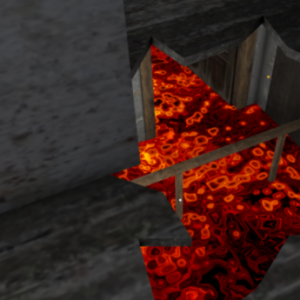




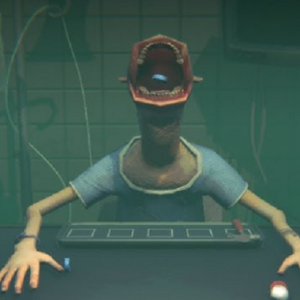








The experience is structured around a simulated website that gradually reveals hidden layers through interaction. In Plushy’s Playground, the player is placed inside a controlled digital environment where every element can potentially act as a trigger. There is no onboarding or tutorial, and the system does not explain its rules. Instead, the user is expected to explore, observe changes, and test assumptions to uncover how the environment operates.
Unstable Interface Behavior
At first, the interface appears simple and predictable, but this stability does not last. Buttons may stop working, images can shift slightly, and entire sections may update without clear indication. These inconsistencies are not errors but intentional design elements that guide progression.
The player must learn to treat every visual or functional change as a potential clue. Even minor adjustments in layout or timing can signal that a new interaction has become available. This transforms the interface into an active system rather than a static navigation tool.
Exploration As Core Mechanic
The absence of direct objectives shifts the focus entirely to exploration. Players move through the environment by testing different parts of the interface and revisiting pages after changes occur. Progress is not tied to a linear path but instead depends on recognizing connections between separate fragments of content.
Common interaction approaches include:
- Checking previously visited pages for updates
- Clicking elements that appear decorative or inactive
- Repeating actions to trigger hidden responses
- Using discovered information in new contexts
- Observing timing-based changes in media or layout
These methods define how the player advances, replacing traditional gameplay systems with investigative behavior.
Integration Of Media Elements
Media plays a functional role within the system. Videos, audio clips, and images are embedded into the interface and often contain information necessary for progression. Some media files behave differently on repeated viewing, introducing subtle variations that must be analyzed.
The player is required to interpret these variations, as they often contain indirect instructions or references to other parts of the environment. This creates a layered interaction where media is both content and a puzzle component.
Indirect Narrative Construction
Storytelling is handled through dispersed fragments rather than direct exposition. The player encounters pieces of information that suggest a broader context but never receives a complete explanation. Plushy’s Playground uses this approach to maintain ambiguity, allowing different interpretations of the same events.
